接近開關傳感器英文全稱
- 時間:2024-04-01 11:03:18
- 點擊:0
Title: Understanding the English Full Name of Magnetic Sensors
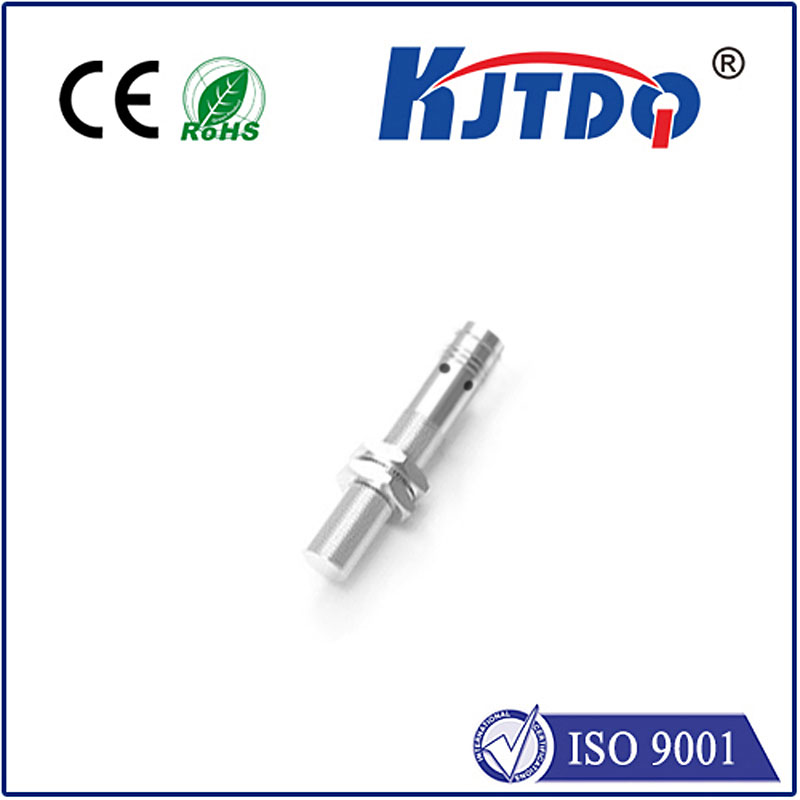
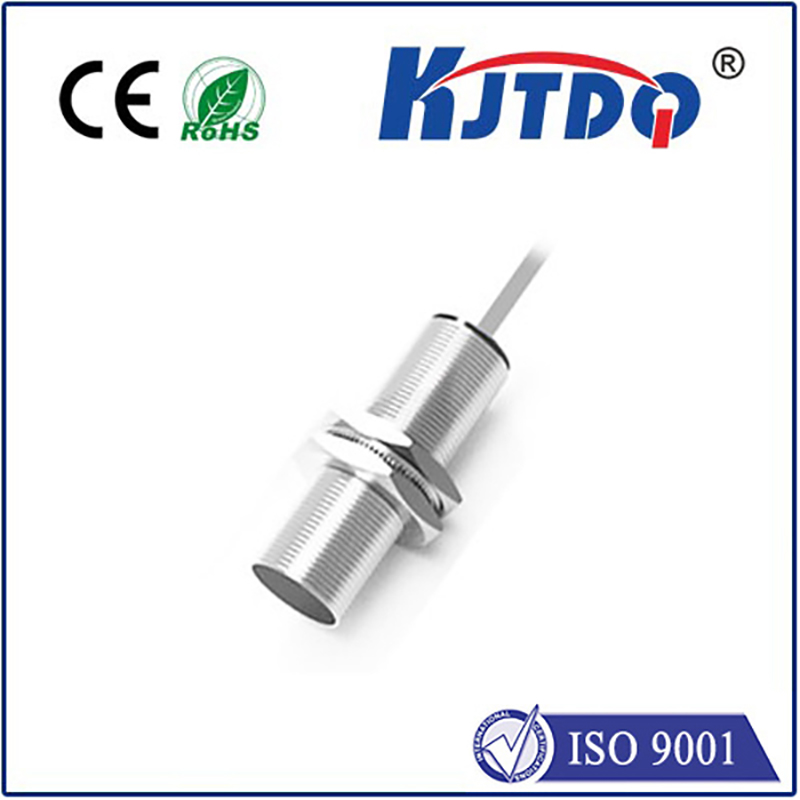
Magnetic sensors, also known as proximity switches or inductive sensors, are an essential part of many modern devices. These small, yet powerful devices can detect changes in magnetic fields and respond accordingly. In this article, we will explore the English full name of magnetic sensors and their various applications.
1. Introduction to Magnetic Sensors
Magnetic sensors are non-contact sensors that use the principle of magnetic induction to detect changes in the strength or orientation of a magnetic field. They are widely used in a variety of industries, including automotive, aerospace, medical, and industrial automation.
2. Types of Magnetic Sensors
There are several types of magnetic sensors, each with its own unique characteristics and applications. Some of the most common types include:
a) Normally Closed (NC) Sensors: These sensors have an internal circuit that is closed when there is no magnetic field present. When a magnetic field is detected, the circuit opens, allowing current to flow through the sensor.
b) Normally Open (NO) Sensors: These sensors have an internal circuit that is open when there is no magnetic field present. When a magnetic field is detected, the circuit closes, blocking current from flowing through the sensor.
c) Hall Effect Sensors: These sensors use the Hall effect phenomenon to detect changes in the magnetic field. They consist of a movable conductor that experiences a voltage difference when a magnetic field passes through it. This voltage difference is proportional to the strength and direction of the magnetic field.
d) Reed Switches: These sensors use a metal contact between two coils of wire to detect changes in the magnetic field. When a magnetic field passes through the coils, it causes a mechanical switch to close or open, allowing current to flow through the circuit.
e) Ferrite Coils: These sensors use ferrite magnets embedded within a coil of wire to detect changes in the magnetic field. When a magnetic field passes through the coil, it causes a change in the electrical resistance of the ferrite magnets, allowing current to flow through the circuit.
3. Applications of Magnetic Sensors
Magnetic sensors have numerous applications in various industries, including:
a) Automobile industry: Magnetic sensors are used for door locks, fuel filler caps, and other safety features on vehicles.
b) Medical industry: Magnetic sensors are used for heart pacemakers and other medical devices that require accurate detection of magnetic fields.
c) Industrial automation: Magnetic sensors are used for position monitoring, speed control, and other industrial processes where precise control over magnetic fields is required.
d) Aerospace industry: Magnetic sensors are used for guidance systems, navigation systems, and other advanced technologies in spacecraft.
In conclusion, understanding the English full name of magnetic sensors is crucial for anyone working in the field of electronics or engineering. With their wide range of applications and capabilities, these small devices play a vital role in our daily lives and contribute significantly to technological advancements around the world.